






















OEM wireless control integration: Top 5 mistakes
Technical Resources • Posted on May 26, 2026 at 12:08 pm
An OEM & Procurement guide to long-term machine lifecycle value, bus integration, and wireless safety standards
Modern industrial radio remote controls have evolved far beyond basic wireless replacements for cable pendants. For today’s heavy machinery, they serve as critical nodes directly connected to the machine’s control architecture, functional safety systems, and operator workflows.
For OEMs, system integrators, and procurement teams, choosing a wireless solution isn’t just a hardware purchase—it is a strategic decision impacting engineering cycles, equipment uptime, and field maintenance. Here are the five most common mistakes companies make during the selection process, and how technical buyers can avoid them to secure long-term machine value.
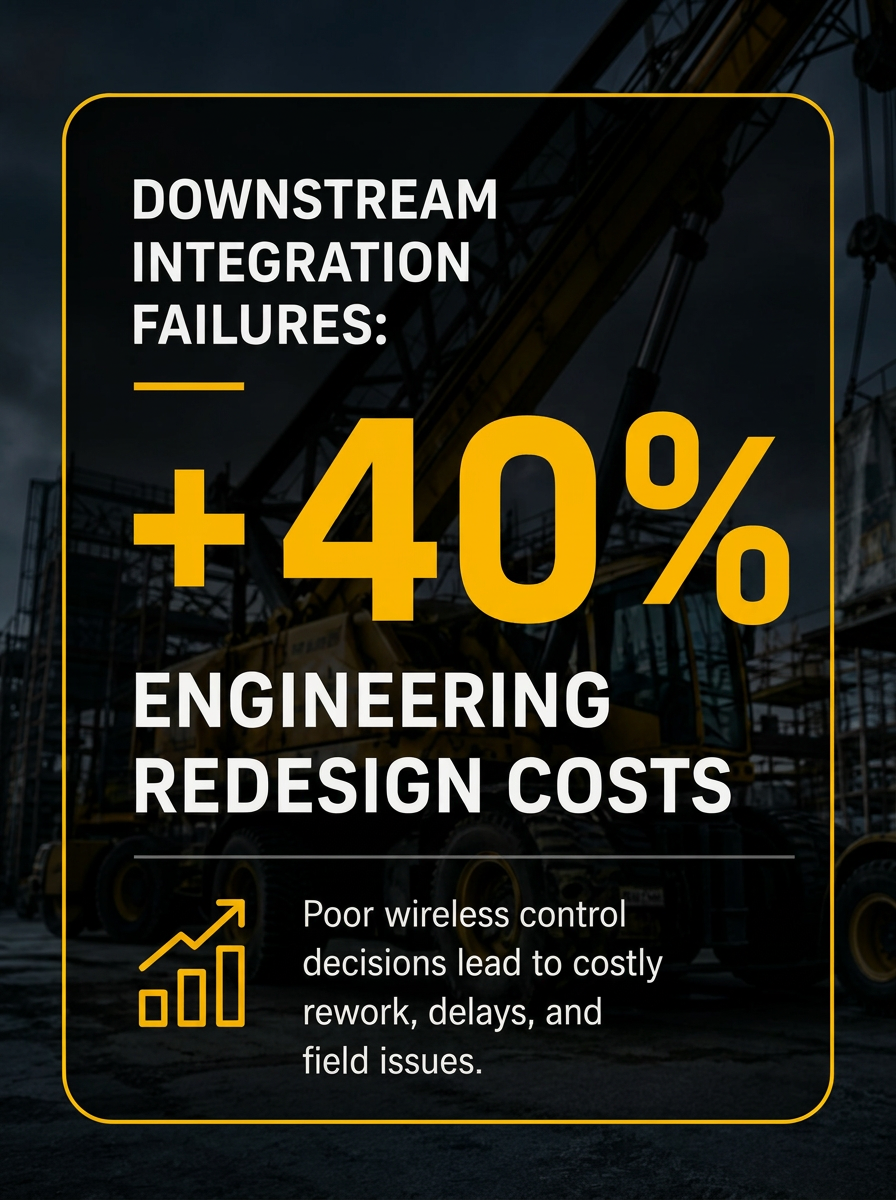
Eliminate technical blind spots. Run a comprehensive gap analysis on your next wireless control deployment:

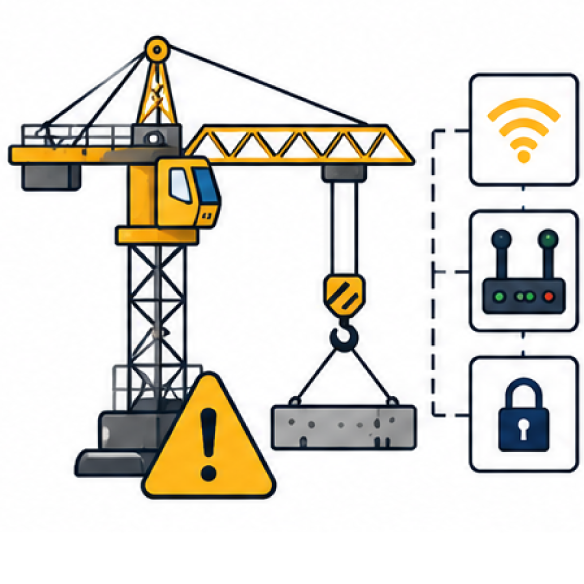


1. Prioritizing Initial Component Price Over Total Cost of Ownership (TCO)
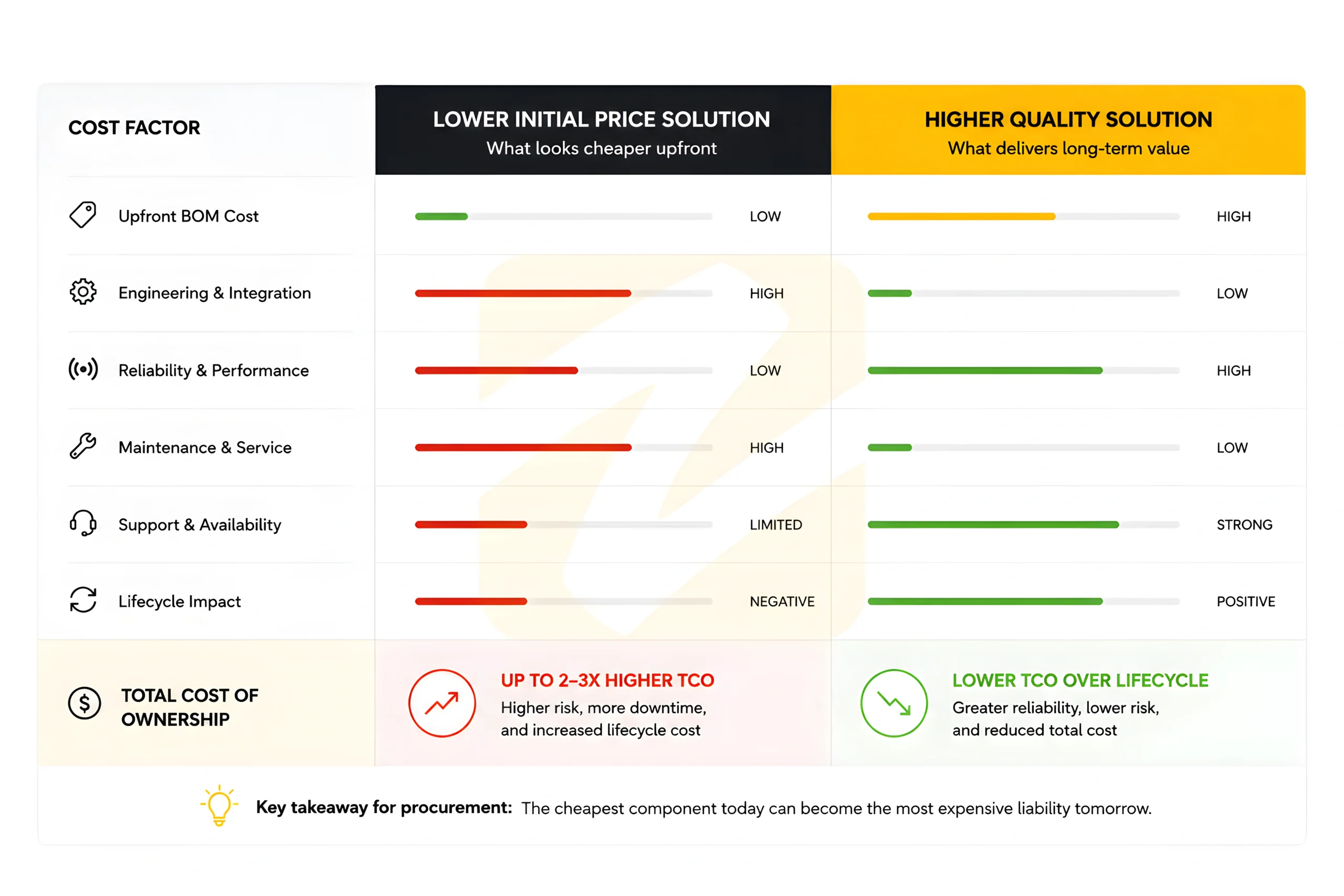
Procurement teams are naturally driven to control upfront bills of materials (BOM) costs, while OEMs must protect margins. However, evaluating wireless control solutions solely on purchase price creates hidden downstream liabilities.
A lower-cost transmitter-receiver pair often lacks integration flexibility, leading to extended engineering hours during development.
In the field, cheaper components frequently suffer from poor RF reliability, component degradation, and lack of authorized regional support. This leads to costly machine downtime, warranty claims, and premature replacements. A holistic Total Cost of Ownership (TCO) evaluation proves that investing in high-durability, platform-stable hardware significantly lowers field service costs over the machine lifecycle.
2. Ignoring the machine’s control architecture
One of the most common technical oversights happens before a system is selected: failing to align the wireless receiver with the machine’s existing intelligence.
Industrial wireless systems aren’t one-size-fits-all. A standard machine with simple ON/OFF functions runs beautifully on digital/analog relay interfaces—they are reliable, easy to test, and cost-effective. However, if your machinery relies on complex PLCs, distributed I/O, or a centralized industrial network, forcing a basic relay setup introduces unnecessary wiring clusters, increases assembly time, and blinds your system diagnostics.
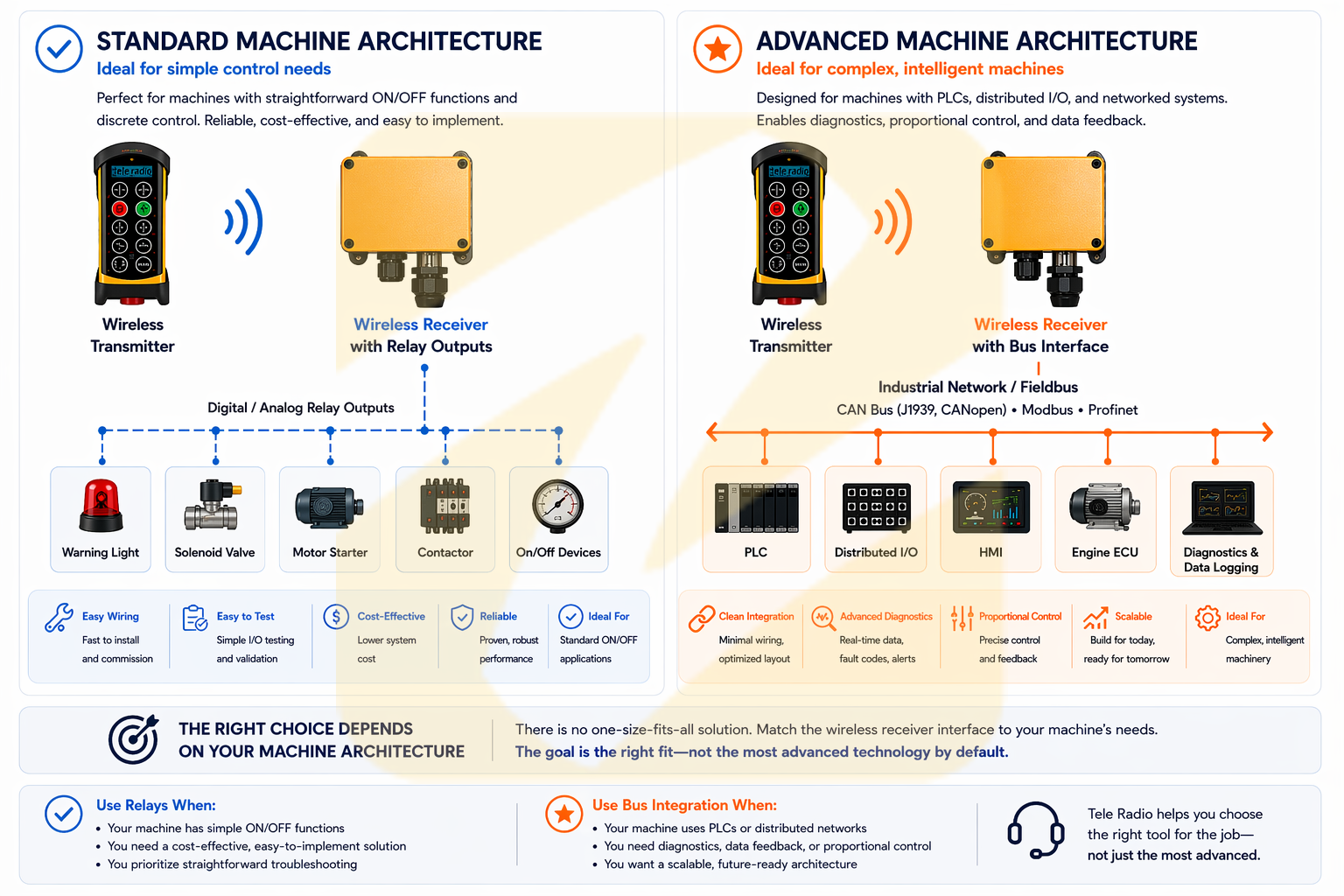
The goal isn’t automatically to choose the “most advanced” bus protocol. The goal is mapping the receiver to the machine’s architecture. For simpler applications, standard relays are perfect. For sophisticated equipment, choosing a receiver that natively integrates via CAN bus (J1939, CANopen), Modbus, or Profinet ensures the remote control acts as a seamless, intelligent node on your network.
Download our comprehensive step-by-step procurement and engineering checklist to ensure long-term machine lifecycle value.
3. Underestimating functional safety standards
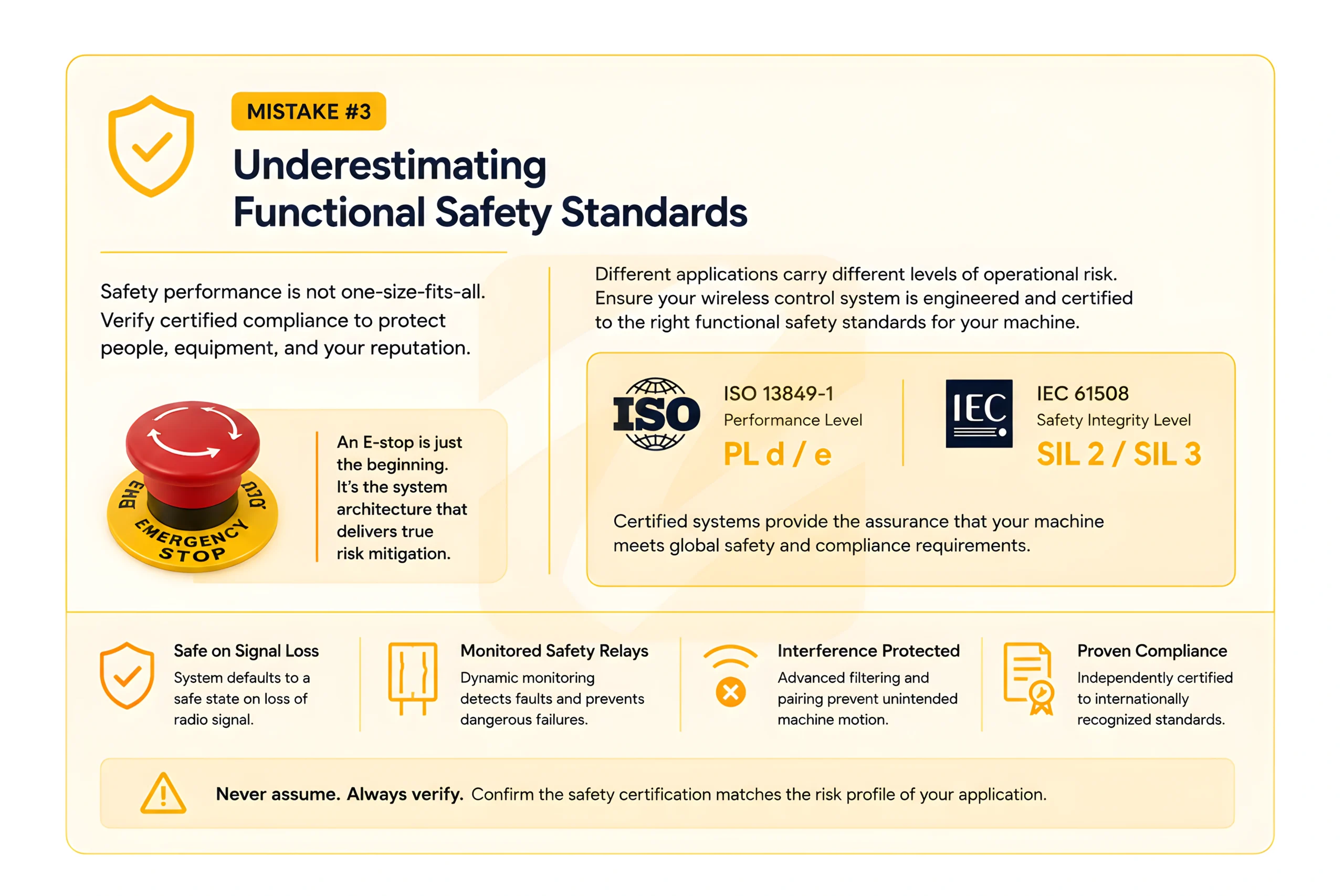
Assuming all industrial remote controls provide uniform protection is a high-risk compliance mistake. A physical emergency stop button is just the beginning; true risk mitigation depends entirely on the system’s underlying architecture.
Before selecting a system, verify that its independent certifications match the specific risk profile of your application:
- ISO 13849-1: Performance Level (PL d / e)
- IEC 61508: Safety Integrity Level (SIL 2 / SIL 3)
Never assume—always verify. Ensure your supplier can prove how the system dynamically monitors safety relays and defaults to a safe state during unexpected signal loss or RF interference.
4. Ignoring Severe Environmental and RF Operating Conditions
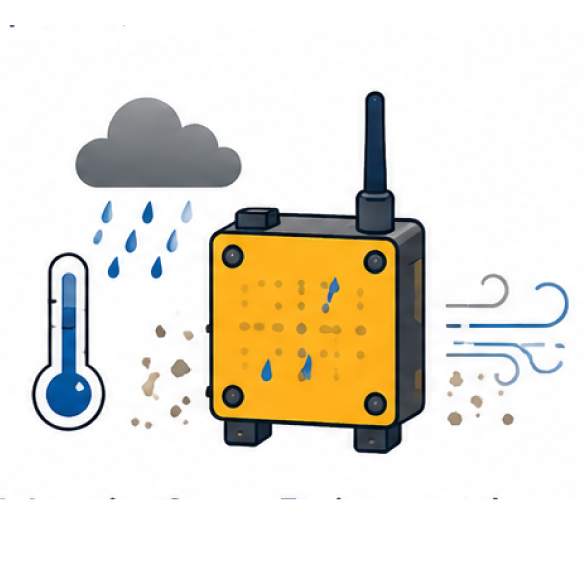
Industrial wireless devices rarely operate in pristine conditions. Systems specified based on laboratory datasheets often underperform when exposed to intense real-world stressors like heavy vibration, thermal shocks, corrosive moisture, oil, and high electromagnetic interference (EMI).
To avoid field failures, technical buyers must match the hardware build to the operational environment. Key specifications to assess include IP ratings (IP66/IP67) for dust and water sealing, impact-resistant enclosure materials, ergonomic button layouts optimized for heavy work gloves, and intelligent frequency management (such as 2.4GHz automatic frequency hopping) to maintain clean communication channels in signal-dense environments.
5. Disregarding Long-Term Supplier Scalability and Global Support
An industrial remote control should adapt to the continuous evolution of an OEM’s machine platform. Selecting a vendor based on static hardware capabilities can severely restrict future scalability.
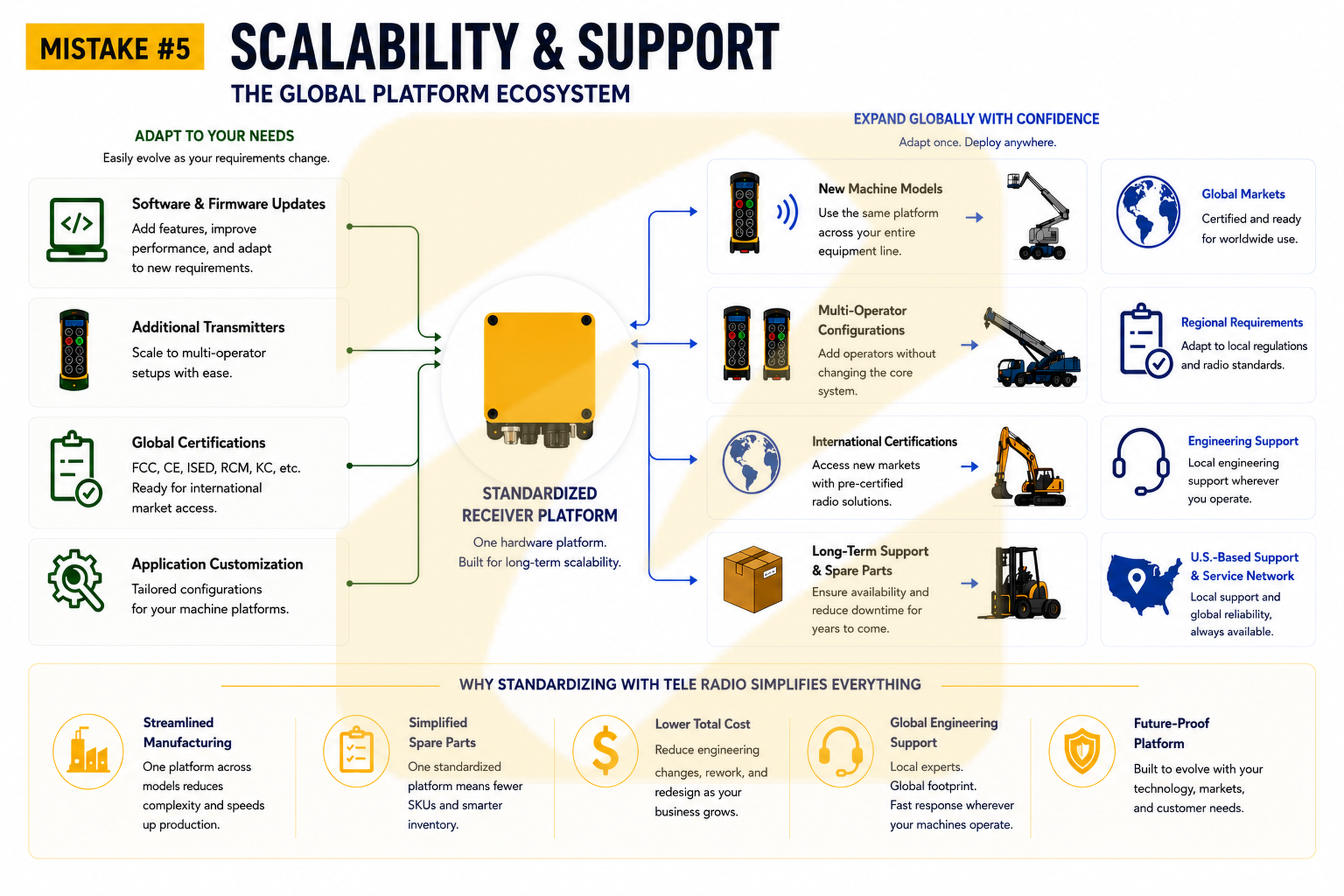
As equipment lines expand or transition to new global markets, OEMs require a partner capable of supporting the entire lifecycle of the machine.
Before locking in a supplier, evaluate their infrastructure against long-term operational needs:
- Global Certifications: Are the systems pre-certified for export markets (CE, FCC, etc.)?
- Platform Customization: Can firmware be easily updated for new machine variants?
- Localized Support: Is there accessible regional technical support and inventory for spare parts?
Standardizing a robust, scalable wireless platform streamlines manufacturing, simplifies spare parts management, and ensures consistent global field service. Choose a lifecycle partner, not just a hardware vendor.
Ready to optimize your next engineering project?
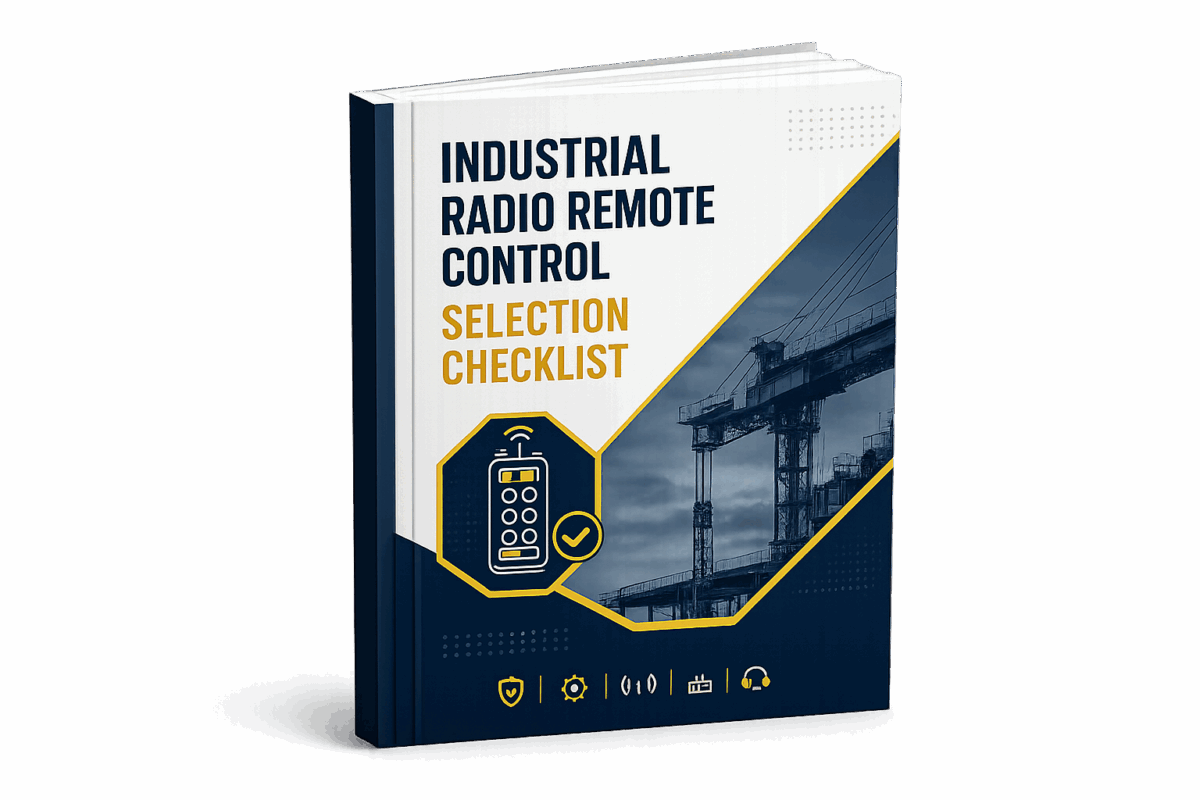
Don’t let hidden technical blind spots compromise your machine’s performance. Access our structured framework to align upfront BOM costs with long-term functional safety and global scalability standards.




 Tele Radio supports the world wide preservation of the Tiger with WWF.